
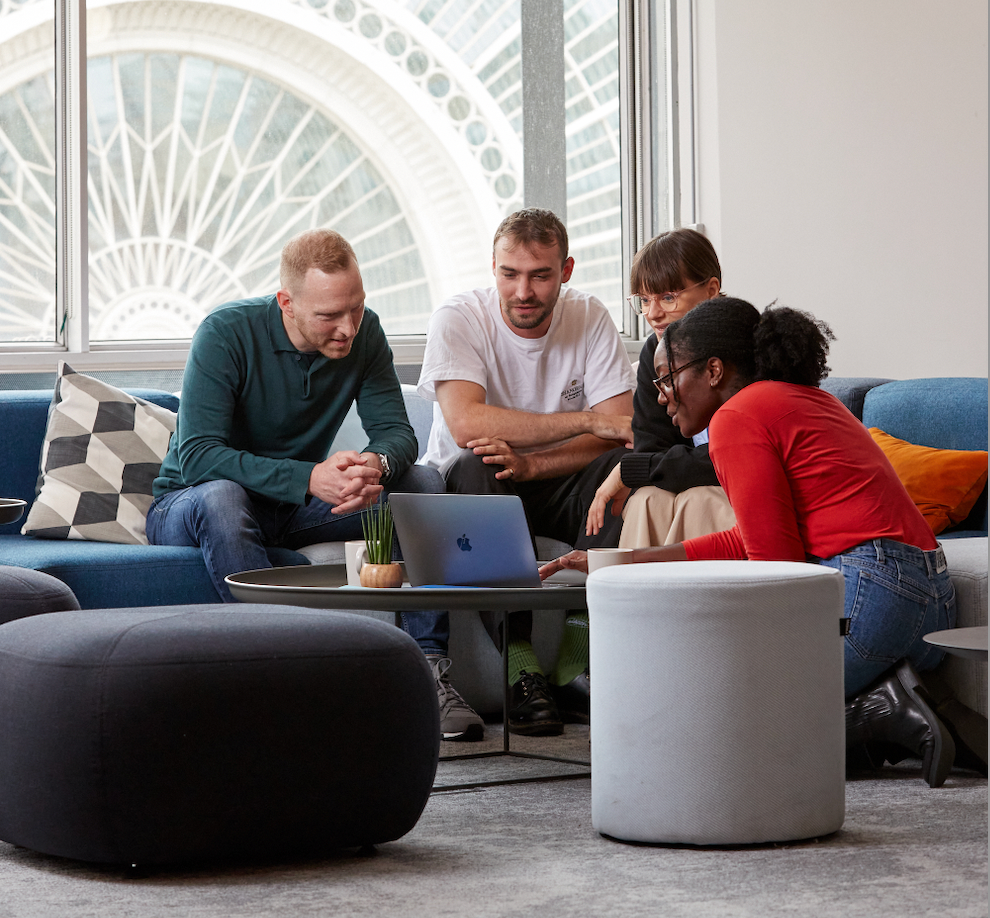
We are the digital change makers
We create experiences, platforms and partnerships that empower businesses to realise digital value, faster.




Our services
- view service:Digital Experience
Digital Experience
Create digital experiences that stand out, enhancing your brand and driving conversions.
- view service:Digital Products
Digital Products
Make your digital product a core part of your business and deliver a first-class experience for your customers.
- view service:Digital Transformation
Digital Transformation
Create change and deliver value that matches your broader organisational goals.
Our partners







An industry-leading digital partnership since 2017
Our clients




SUSTAINABILITY
Our pledge
In 2020 MMT became a carbon negative company, offsetting far more emissions than we generate. And we are now leading the way in switching over to carbon removals. We've pledged to halve our employee carbon footprint by 2024. As part of the MSQ agency group, we now have formally approved Science Based Targets to reduce it even further by 2030, as we move towards Net Zero.

Insight & Events
Recent Posts
- Insights
- DX
- Digital product
DIY digital experience: self-service portals
MMT

- Insights
- UX
- DX
Why a consistent digital customer experience is key to conversion and loyalty
MMT

- Insights
- DX
- UX
Optimising digital experiences: the six steps to converting users into customers
MMT
- News
- People
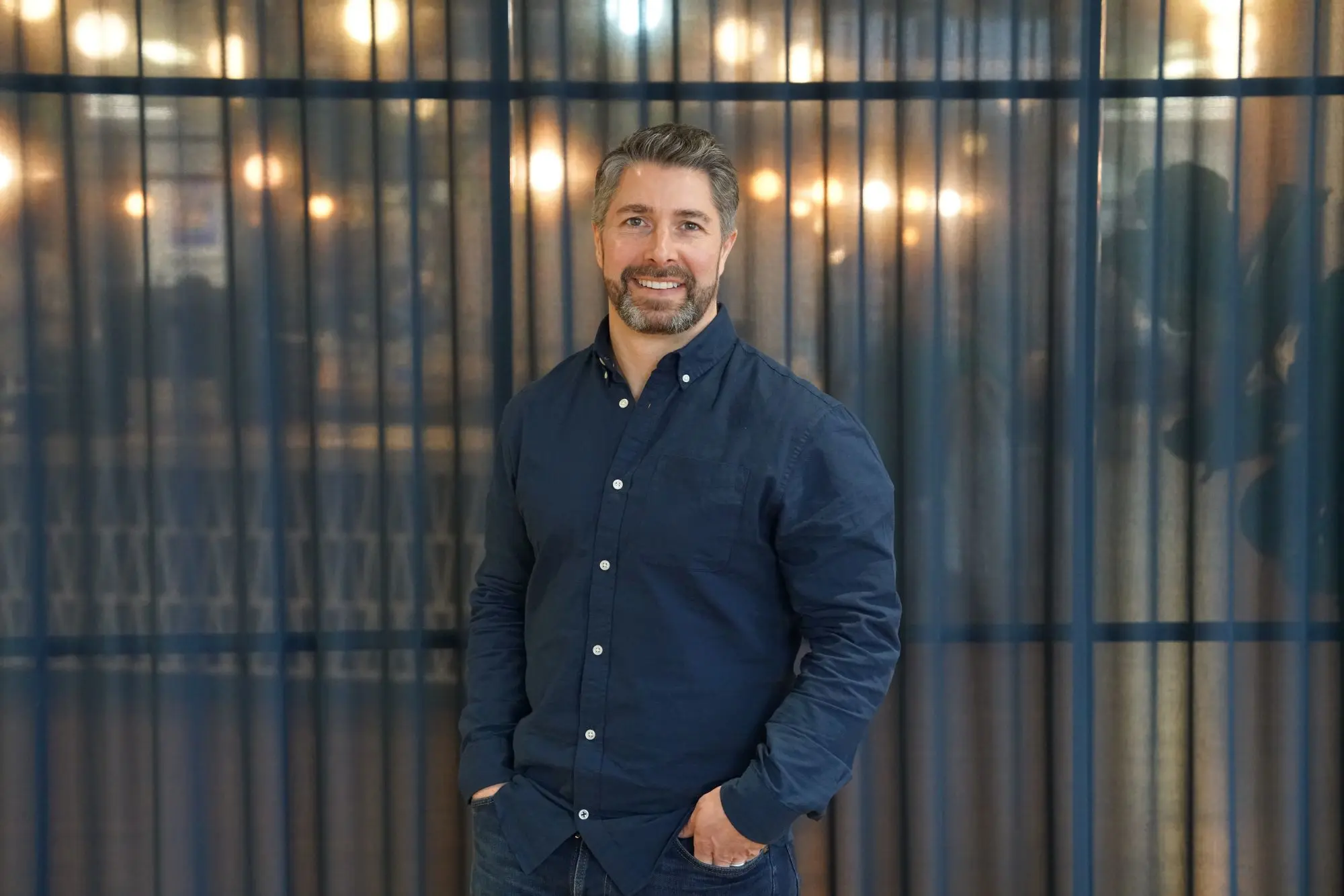
MMT welcomes Chris Daplyn as Global Chief Executive
MMT
- Watch Now
- Webinar
Why an agile approach is instrumental in enabling digital transformation
Online - fill in the form to watch on demand >
- Watch Now
- Webinar
How agile best practice can help drive innovative business solutions
Online - fill in the form to watch on demand >
- Watch Now
- Webinar
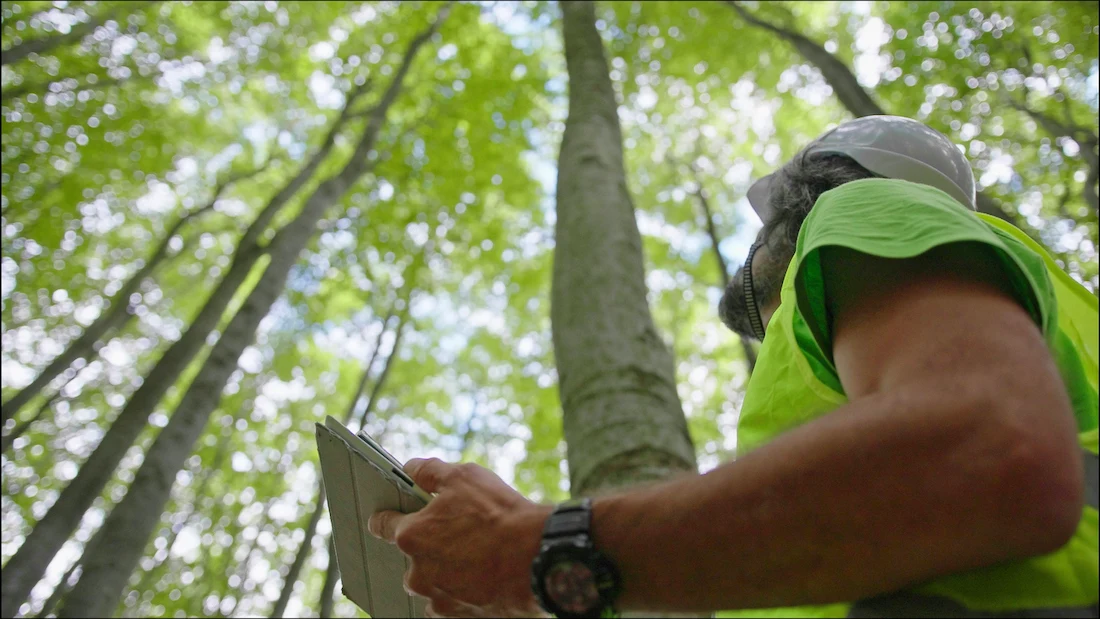
Building greener digital platforms
Online - fill in the form to watch on demand >

- Panel Discussion
- Watch Now
From Years to Months: How 2020 has redefined agile delivery
Online - fill in the form to watch on demand >
